Lessons need to lead to better scoring at all levels
JUN 09, 2026
Golf is a sport made up of a variety of skills. As a beginner, you work to learn to make contact, learn to create speed, get the balls in the air and figure out aim and direction with your full swing. When you near the green, you have to figure out how to control speed and height to get the ball to land where you want it to land and stop where you want it to stop. On the green, you have learn to aim, start the ball on line, control the pace and learn to figure out slopes and how they affect the putts.
As you improve, the goals don’t change too much from when you started. You’re focused on making solid contact, gaining speed, learning to control trajectory and having command over aim and spin. With some consistency, you move from being a beginner in the sport to a level that would allow you to play in leagues or to at least begin to sign up and get a handicap. Here’s a great article from the USGA about the different levels of players in the game. The players I work with have moved from being kids who love the game to kids who want to play at higher and higher levels of competition. The problem with many player’s experience, including these juniors who want to play in college or on a professional tour is, they become wrapped up in the skills, but don’t relate them to scoring. The skills of the game are what you use to score, but players who don’t link the two hit roadblocks. The range offers you so many opportunities to hit a good shot. It doesn’t have rough, bare lies, trees or water. You’re always standing on a flat lie and hitting a ball that’s on the level. You don’t have to worry about the wind’s effect on the range. The focus on building skills doesn’t allow for so many things that actually occur on the golf course and affect your scoring.
Here’s the truth about recruiting that no one is probably telling you. College coaches today are less interested in the development of players and more interested in recruiting proven scorers. Power 4 programs have the luxury of going to the transfer portal and offering NIL money to the strongest scorers available. Golf professionals need to adjust their teaching and their conversations to focus on scoring if they want to help and promote their junior golfers. What I still hear from them are words like potential, power, talent and promise. Those were definitely “buzz words” 5 years ago, but as with everything, change occurred. The changes that the NCAA wrought with its new rules make it easy for big programs to overlook potential for immediate help. While the NIL coffers aren’t as large as they are for football or basketball, they still provide meaningful competition among big programs for the best scorers in the portal or “on the market”. The sooner young players understand what’s required of them, the better their chances are to move into the programs they covet.
When I retired from coaching, I could see the vacuum that the rules changes left for young players to move into the top programs. Roster sizes were decreased to nine, which further exacerbated the problem of recruiting players to develop into top competitors. Now, the NCAA will probably pass another rule on June 23rd allowing players 5 years of play. High school players will take another hit in terms of recruiting. Here’s a recap of the rule change that’s pending.
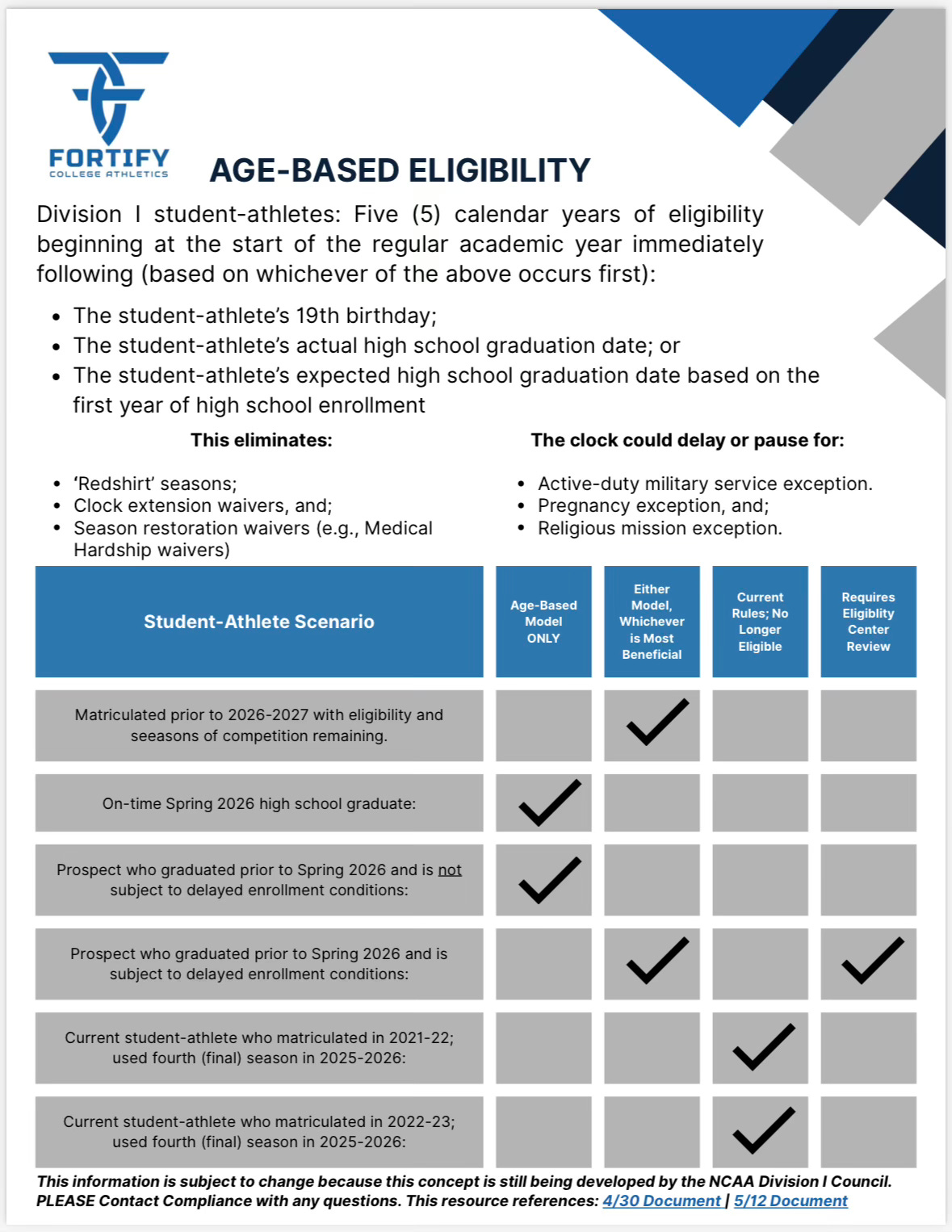
The responses you can have as a young player are to go to a school that will develop you and plan to transfer when your scoring reaches the level that matches the programs where you’d like to play or you can make scoring a priority now.
The NCAA is unknowingly creating a minor league for the Power 4 schools and if I were a mid-major program, I’d collude with a Power 4 to take the kids with all those buzz words of talent, power, potential and promise and develop them for my partner school. That would mean I got great talent as a mid-major and maybe hold onto a player or two throughout the process of creating scorers for a big-time program. Who knows if anyone will adopt this plan, but I know a lot of people used junior colleges in much the same way in the 90’s.
The response I would have as a junior golfer would be to focus on getting the ball in the hole as much as I focused on hitting longer drives or pure irons. A simple change in priorities would mean spending less time on the range and more time on the golf course. It would mean sharpening strategy, mental game skills and putting. It was for this reason that I started a personal coaching company when I retired from college coaching. I wanted to teach juniors the skills that we used to develop players throughout college golf. So far, it’s been working and my clients are getting better at those skills while still attentive to their ball striking.
It’s honestly a tough time to be a good junior player, but you can be proactive and focus on the right stuff that will get you noticed by coaches. The right stuff is your score. In the old days, it might have been length off the tee or a great attitude. Both of those things are still important, but when a coach can choose between a proven college player who averages 72 vs. a high school player averaging 72 on shorter courses, the choice will be an easy one. Everyone can’t get that transfer, so sooner or later, the high school player who averages 72 will be at the top of recruiting lists. The best way to get to the top of that list and compete for a spot is to lower your average, play against strong competition on tough setups and remember what’s the most important skill in golf. Scoring!
If you want help figuring out these skills, send me a message or check out my webpage.

 GolfJeanne Coaching
Leave a comment